


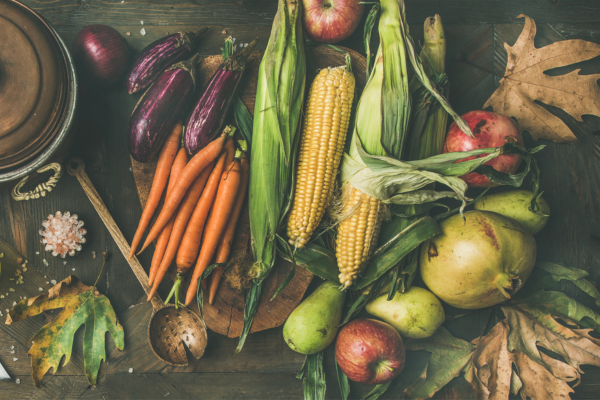
Fall is here and that means the holidays are right around the corner! Stay in tip-top shape this season by following these health tips just for Alphas. Read on for advice on how to avoid fall allergies, prevent infections, keep a healthy diet, and much more so you can enjoy all the season has to offer.
Avoid Common Fall Allergens
As the leaves fall from the trees and temperatures begin to drop, certain summertime allergens tend to linger. If you are particularly sensitive to allergens, you can try your best to avoid them by monitoring pollen and spore counts in your local area. Common fall allergens include:
Ragweed
While ragweed typically blooms during the summer months, it can still release pollen into late October. Even if ragweed doesn’t grow in your area, it can still be carried by the wind for hundreds of miles. Use a tool like the one offered by pollen.com to track your local pollen count and try to avoid spending time outdoors when counts are high. Wash your clothes and linens frequently, and bathe outdoor dogs and cats regularly to avoid them tracking pollen inside your home.
Mold
Damp piles of fallen leaves and compost piles can be perfect hosts for mold during the fall season. Make sure to rake up fallen leaves and clear your gutters regularly (wear a protective face mask to avoid particle inhalation), and keep waste and compost piles a safe distance away from your home.
Damp indoor locations like kitchens, bathrooms, and basements can also harbor irritating mold spores. Consider investing in a dehumidifier for the areas of your home most prone to retaining moisture and try to keep the humidity levels between 35 and 50 percent. Clean rooms that are susceptible to humidity frequently using a vinegar solution or an anti-mildew cleaning product to avoid mold buildup.
Dust Mites
Dust mites are a year-round allergen that thrive in temperatures between 60 and 70 degrees Fahrenheit but tend to die in extreme temperatures or when humidity levels dip below 70 percent.
To keep dust mites at bay, vacuum and dust your home frequently, including tucked away places like under furniture and behind fixtures (remember to always wear a mask to avoid inhaling irritants). Use dust-proof covers for bedding and wash bedding in hot water (130 degrees Fahrenheit or higher) when possible. Also, make sure to clean your air vents before turning on your central heating system for the first time after summer.
Keep Moving
If fall allergens don’t bother you, this is a great season to experiment with exercising outdoors. Take advantage of fall’s relatively moderate temperatures to take a stroll or bike ride around your neighborhood. Whether you prefer to stay active indoors or outdoors, the most important thing is that you just keep moving. Exercise is essential for maintaining the strength and mobility you need to get you through each day and it can also give your immune system the boost it needs to get you through the season.
If you are interested in starting an exercise regimen but aren’t sure where to start, check out the article “Move It or Lose It ” for great Alpha-1 focused fitness advice for beginners.
Enjoy Seasonal Produce
The best way to enjoy fresh produce is to look for what’s in season in your local area. Produce harvested locally is usually allowed to ripen naturally and doesn’t need to travel long distances to get to your grocery store. Eating seasonally allows you to enjoy fruits and veggies while they are at their peak, ensuring that they are as fresh and nutritionally dense as possible. You can find out what fruits and vegetables are in season in your area here. Some fall produce that is especially great for liver and lung health include:
Fall produce for liver health
- Apples
- Blueberries
- Cranberries
- Grapes
- Beets
- Arugula
- Swiss Chard
- Brussels sprouts
- Broccoli
- Mustard greens
- Kale
- Cauliflower
- Spinach
- Garlic
Fall produce for lung health
- Apples
- Beets
- Blueberries
- Broccoli
- Red Cabbage
- Swiss Chard
- Spinach
- Kale
- Pumpkin
- Garlic
Always make sure to consult your physician before making any drastic dietary changes.
Eat Mindfully
You may be tempted to ditch your healthy diet as the holidays roll around, but try your best to keep a balanced diet while enjoying treats in moderation. While the holidays may incline some to binge eat, you can resist the urge to overindulge by trying to eat as mindfully as possible. When confronted with a holiday buffet, try your best to not eat past satiety and make sure your plate includes not only your favorite fall comfort dishes but plenty of fresh fruits and veggies, too. If you’re going to a holiday party and aren’t sure if there will be any healthy options there, bring along a salad or a vegetable dish to share.
Layer Up
As early fall temperatures tend to fluctuate, make sure to dress in layers to more easily regulate your body temperature throughout the day. Add more layers to your daily outerwear as temperatures drop and don’t forget those extra-warm accessories like gloves, hats, and scarves!
Do Your Best to Prevent Infections
Wash your hands frequently and wear a face mask when appropriate. Avoid crowds when possible and try your best to avoid contact with those who may be sick or may have been exposed to COVID-19, influenza (flu), or any other infectious illness.
Get Your Vaccinations
One of the best ways to stay healthy this season is to stay up-to-date on your vaccinations. Now is the perfect time to get your flu vaccine and your COVID-19 booster so that you are protected from infection into the winter months. Ask your doctor if you are eligible to receive the flu vaccine or any other vaccines you may qualify for.
For more vaccine recommendations for Alphas, check out New Vaccines, New Questions (Fall 2024).
Sources:
https://health.usnews.com/wellness/slideshows/tips-for-a-healthy-fall
https://www.delish.com/food/a28072385/best-fall-fruits-vegetables/
https://www.thespruceeats.com/fall-fruits-and-vegetables-2217704
https://www.seasonalfoodguide.org/why-eat-seasonally
https://snaped.fns.usda.gov/seasonal-produce-guide
https://www.healthline.com/nutrition/11-foods-for-your-liver
https://www.webmd.com/hepatitis/ss/slideshow-best-and-worst-foods-for-your-liver
https://www.healthline.com/nutrition/lung-cleansing-foods#The-bottom-line
https://www.asbestos.com/treatment/nutrition/lung-healthy-foods/
https://www.healthline.com/health/allergies/fall-allergens